Cultivator Points: Scarifier vs. Uprooter Shares and Their Effect on Soil
Choosing the right cultivator share is critical to maximize field efficiency and soil condition. Two common types are scarifier shares and uprooter (sweeps/field cultivator) shares. While they can be complementary, they serve different purposes and behave differently in the soil.
Scarifier shares: deeper work and tire-track erasure
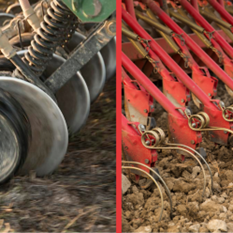
Scarifier shares are designed to work deeper, penetrating compacted layers to break traffic pans and erase tire tracks.
- Best for: compacted, hard soils.
- Benefits: improved soil structure, infiltration, and root development.
- Behavior: robust penetration with strong deep fracturing capacity.
Uprooter/field-cultivator shares: shallow preparation and weed control
Uprooter (extirpator) shares operate shallower, leaving a flatter surface while improving weed control and seedbed preparation.
- Best for: less compacted soils and finishing passes.
- Benefits: clod breakup, even mixing of the surface horizon, better germination and crop establishment.
- Behavior: high weed uprooting and surface refinement.
Two-row cultivators: decompact first, finish second
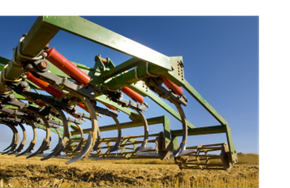
To leverage both, it’s common to mount scarifiers on the first row (deep loosening and track removal) and uprooters/sweeps on the second (finishing, leveling, and weed control).
Outcome: a soil deeply loosened and seedbed-ready in one go, improving efficiency and results.
Quick usage tips
- Match depth and speed to soil moisture and texture.
- Avoid excess moisture (smearing and secondary compaction risk).
- Monitor wear to maintain penetration and weed control.