
Disc Harrows: Working Depth, Key Factors and Best Adjustment Practices
Disc harrows are essential tools in soil preparation. Their purpose is to cut, mix and turn the upper layer of soil, creating optimal conditions for seeding. Although their operation seems straightforward, the working depth is a crucial technical factor that directly influences the quality of the fieldwork.
What Are Disc Harrows?
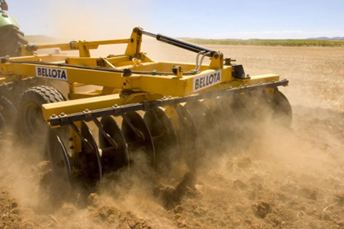
A disc harrow consists of a metal frame holding several concave discs that are pulled across the field. These discs break clods, incorporate crop residues and level the soil surface. Their performance depends largely on how the working parameters are adjusted, especially depth.
Factors Determining Working Depth
The working depth of a disc harrow depends mainly on three factors:
Disc Diameter
Typical working depth ranges from 5 to 15 cm, generally less than one quarter of the disc diameter.
For example, a 22-inch (560 mm) disc can reach around 14 cm if sufficient load is applied.
Load on the Discs
Greater load increases penetration capacity. Insufficient load limits depth; excessive load causes unnecessary wear and energy consumption.
Angle of Attack
A steeper angle increases soil penetration and cutting force but also resistance and fuel consumption.
Why Proper Depth Adjustment Matters
Incorrect working depth can cause poor soil preparation, uneven emergence and reduced productivity.
Excessive depth increases:
- Disc wear
- Fuel consumption
- Soil disturbance and erosion risks
- Potential formation of compacted layers
The goal is to achieve efficient soil preparation without damaging soil structure.
Conclusion
The working depth of disc harrows is a key factor in effective soil preparation. Disc diameter, load and angle must be adjusted according to soil conditions and crop needs to improve efficiency, reduce costs and support better crop establishment.