Cultivator Shank Types: Chisel vs Double Coil Tines and Their Impact on Soil
In agriculture, choosing the right cultivator shank or tine has a direct impact on work efficiency, power requirements, and soil results. Among the most common options are chisel shanks and double‑coil shanks, each designed for specific tillage objectives.
Chisel tines: deep decompaction and soil aeration
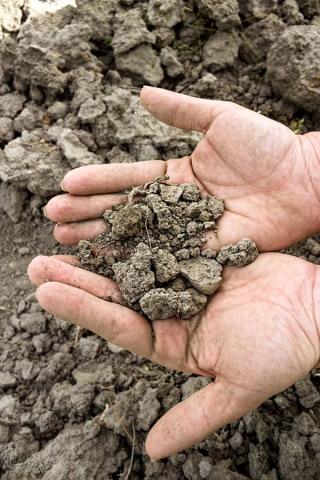
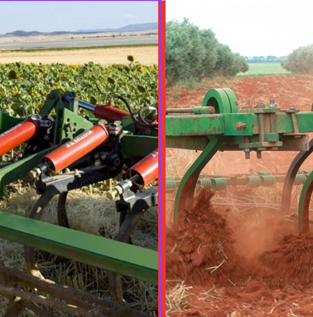
Chisel shanks feature a straight, heavy‑duty design that allows deep penetration for soil decompaction and aeration, typically working between 18 and 40 cm.
They can operate at speeds above 7 km/h, improving productivity, but require high tractor power, around 30 HP per meter of working width at 18–20 cm depth. While weed control is limited, chisel shanks are essential for improving soil structure.
Double‑coil tines: surface mixing and seedbed preparation
Double‑coil shanks have a helical design that ensures good penetration and uniform soil mixing. They are recommended for friable soils and excel in seedbed preparation.
Operating at shallower depths, they break clods and control weeds depending on the mounted shares. For best results, these shanks should be used superficially, achieving an even soil finish.
Which Type of tine Should Be Chosen for Tillage?
The choice between chisel shanks and double‑coil shanks depends on the objective of the tillage operation.
- Chisel shanks are the best option for deep soil decompaction and require higher power input.
- Double‑coil shanks are more suitable for shallow soil preparation and weed control.
Understanding these differences helps select the most appropriate implement and optimize performance, efficiency, and energy consumption in agricultural operations.